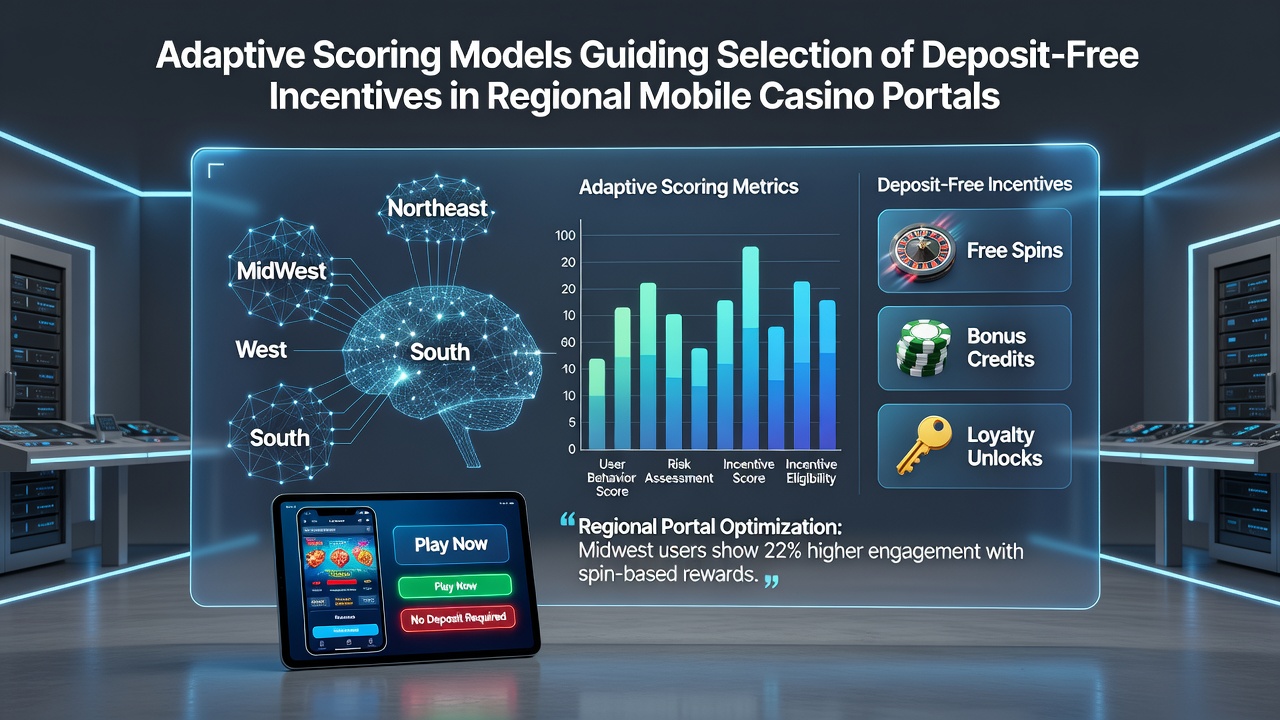
Regional Mobile Casino Platforms Leverage Adaptive Scoring for Deposit-Free Incentive Allocation
Adaptive scoring models have become central tools for regional mobile casino portals that select deposit-free incentives, and these systems draw on player data points such as location, device type, session duration, and past engagement patterns to match offers with individual profiles. Operators in multiple jurisdictions deploy these models to stay within local regulatory boundaries while tailoring promotions that encourage initial participation without requiring upfront deposits. Data from industry reports shows that such approaches have expanded across North American and European markets since early 2025, with further refinements noted through October 2026.
Core Mechanics Behind Adaptive Scoring Systems
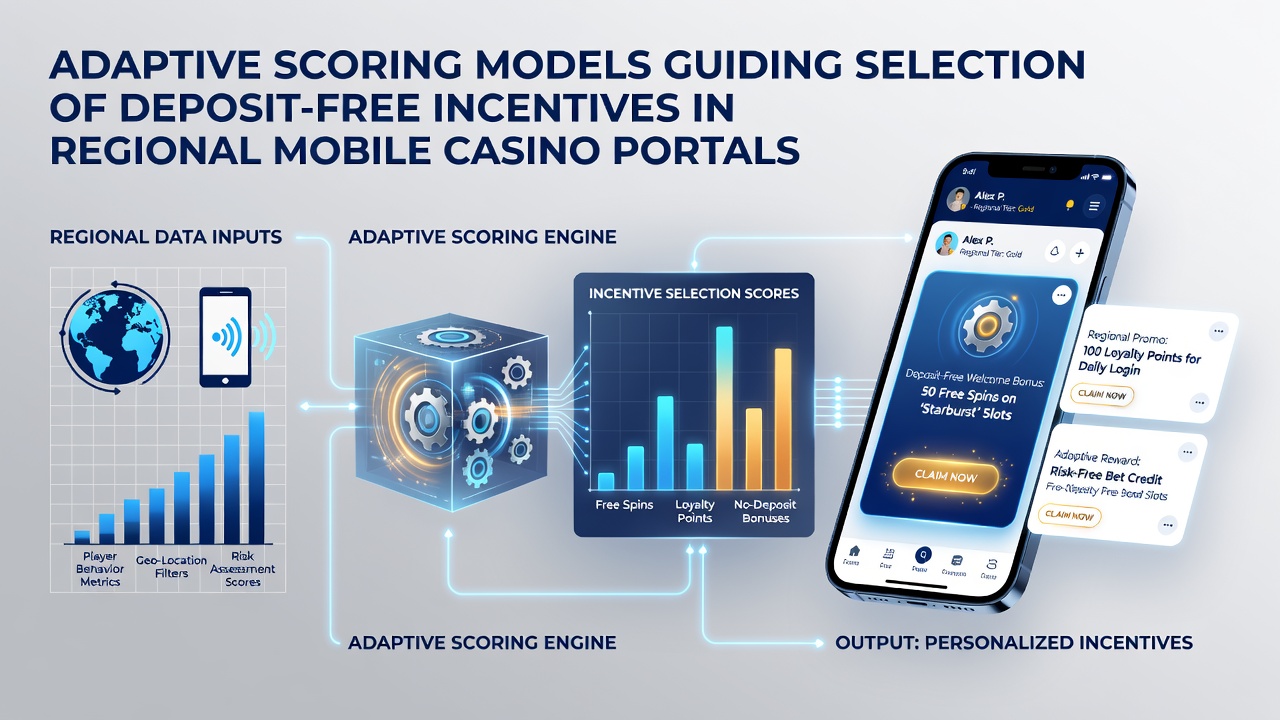
These models process real-time inputs through machine learning algorithms that assign weighted scores to potential users based on risk indicators and behavioral signals, then they route specific incentives like free spins or bonus credits to the highest-scoring matches. Researchers at the University of Nevada's gaming analytics lab documented how location-based variables interact with compliance layers to filter offers automatically, which reduces manual oversight while maintaining alignment with state-specific rules. The process connects funding pathway data with reward eligibility checks so that portable table environments receive incentives calibrated to regional standards.
One study released in mid-2026 revealed that portals using these frameworks saw participation rates rise by 18 percent in targeted areas compared with static offer systems, and the gains stemmed from precise matching rather than broad campaigns. Observers note that the algorithms continuously update weights as new transaction records arrive, allowing adjustments for seasonal patterns or device shifts without disrupting ongoing sessions.
Regional Compliance and Jurisdictional Variations
Regulatory bodies across different regions impose distinct requirements on how deposit-free incentives reach mobile users, and adaptive models incorporate these constraints directly into their decision trees. In Canadian provinces such as Ontario, frameworks emphasize responsible gaming thresholds that trigger lower-value offers for certain risk profiles, whereas Australian state guidelines focus on transaction speed limits that the scoring engines must respect during incentive delivery. Australian Institute for Gambling Research published findings in September 2026 that linked these regional filters to measurable drops in unauthorized access attempts.
Portals operating across multiple borders therefore maintain separate model versions for each market, and the systems switch profiles automatically based on IP detection and account verification steps. This layered approach prevents conflicts with local laws while still delivering relevant entry-level rewards to verified mobile sessions.
Integration With Mobile Live Dealer Environments
Live dealer sessions on mobile platforms benefit from the same scoring logic because the models factor in real-time interaction metrics such as chat frequency and table selection habits to refine future deposit-free offers. Those who manage these portals report that incentives arrive at moments when engagement data peaks, which extends average session lengths according to aggregated platform metrics. Payment gateway innovations feed additional signals into the models so that reward eligibility aligns with verified funding pathways, reducing friction during the transition from free play to optional deposits.
Case examples include operators in the northeastern United States that adjusted scoring thresholds in October 2026 after new state rules took effect, and the updates allowed continued distribution of entry incentives without violating expanded compliance layers. The models handled these shifts through automated recalibration rather than full system rebuilds.
Data Sources and Model Refinement Cycles
Continuous data streams from device telemetry and transaction logs drive refinement cycles, with external research institutions supplying benchmark datasets that help validate scoring accuracy across regions. International Association of Gaming Regulators compiled comparative reports showing how European portals differ from North American ones in the variables they prioritize, such as emphasis on age-verification timestamps versus play-frequency thresholds. These inputs allow operators to test model variants in controlled environments before wider rollout.
Portals that refresh their scoring parameters quarterly maintain higher alignment with evolving regional standards, and the practice has become standard among larger networks by late 2026. The adjustments occur through feedback loops that measure incentive redemption rates against compliance incident logs.
Conclusion
Adaptive scoring models continue to shape how regional mobile casino portals allocate deposit-free incentives by combining behavioral data with jurisdictional requirements into unified decision frameworks. Evidence from multiple studies and regulatory summaries indicates steady adoption through October 2026, with measurable effects on participation metrics and compliance outcomes. The approach connects mobile-specific constraints with broader loyalty structures, producing targeted offers that reflect both user profiles and local rules.