
Policy Evolutions Reshaping Initial Rewards in Mobile Interactive Gaming
Regulatory frameworks across multiple jurisdictions continue to adjust the parameters that define entry incentives in mobile interactive environments, with changes focusing on verification processes, bonus eligibility, and cross-border compliance standards, and observers note that these adjustments often align with broader efforts to standardize consumer protections in digital gaming sectors.
State-level authorities in the United States have introduced updated guidelines that require mobile platforms to incorporate real-time identity checks before releasing any form of starting reward, while similar measures in Canadian provinces emphasize regional licensing alignment that ties promotional access to verified player accounts established within specific geographic boundaries.
Verification Protocols and Regional Compliance Layers
Agencies such as the New Jersey Division of Gaming Enforcement have expanded documentation requirements that connect player registration data with incentive distribution systems, creating layered approval sequences that mobile operators must integrate into their application interfaces, and data from recent compliance audits shows these steps reduce unauthorized access patterns by measurable margins in tested environments.
European Union member states have coordinated updates through directives that influence how portable gaming applications handle initial deposit matches and free spin allocations, with emphasis placed on age verification modules that activate prior to any reward claim, and reports from the Malta Gaming Authority highlight implementation timelines that extend into late 2026 for full synchronization across licensed providers.
Impact on No-Deposit Structures and Transaction Pathways
Adjustments in transaction monitoring rules have prompted operators to redesign funding pathways that link directly to reward unlocks, ensuring that mobile environments route all incentive claims through regulated payment gateways subject to anti-money laundering screenings, and industry analyses indicate these modifications affect how algorithms prioritize eligible users based on transaction history and location data.
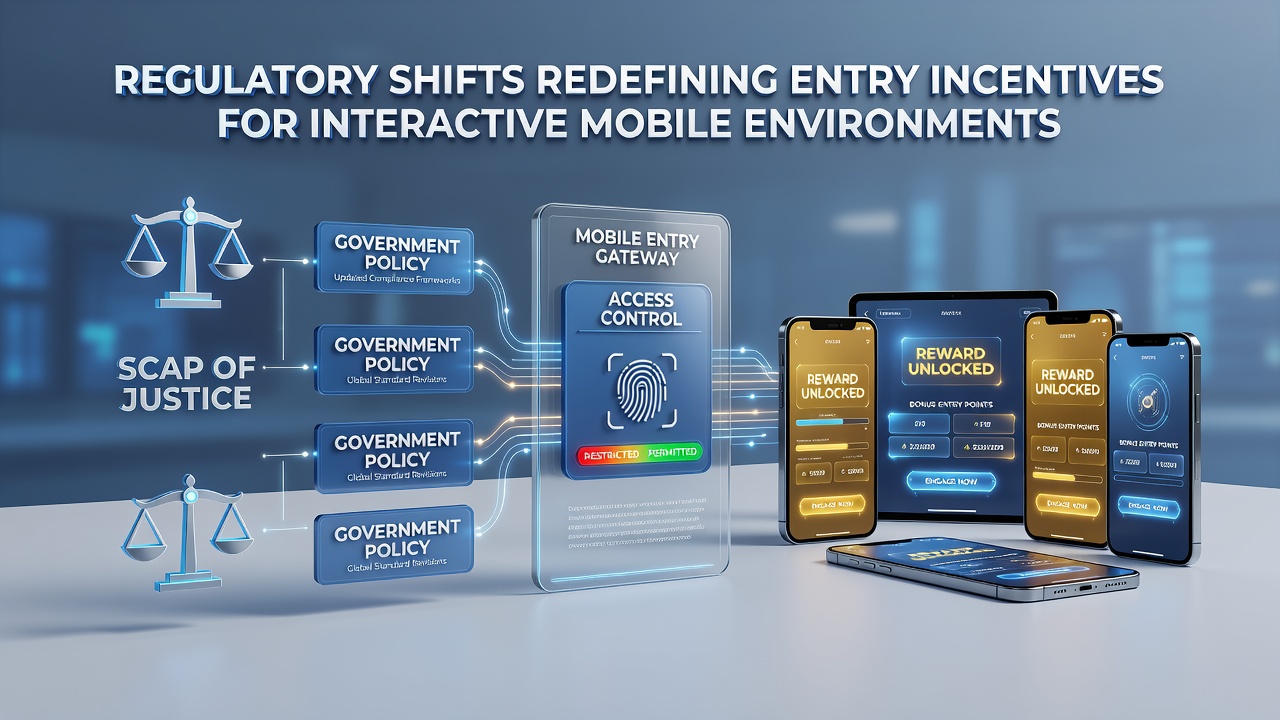
Research conducted by academic teams at the University of Nevada, Reno, examined algorithmic scoring models that determine incentive selection across digital platforms, revealing correlations between jurisdictional data requirements and the types of entry offers presented to new users in mobile table simulations, and findings indicate that platforms incorporating geo-fenced compliance layers achieve higher retention rates in regulated markets.
By September 2026 several jurisdictions plan to finalize harmonization efforts that standardize encryption standards for reward delivery systems, allowing seamless access while maintaining audit trails required by oversight bodies, and these developments build on earlier authorizations seen in states that expanded real-money mobile options earlier in the decade.
Cross-Jurisdictional Influences on Reward Design
Operators navigating multi-regional networks report that interconnected loyalty structures now incorporate compliance flags that adjust starting reward values based on the user's primary regulatory zone, and case examples from Australian regulatory reviews demonstrate how state-specific caps on promotional values influence the structure of mobile card game incentives offered through portable applications.
Payment gateway innovations have responded to these shifts by embedding regional compliance checks that verify eligibility before processing any form of no-initial-deposit activation, and figures released by the Canadian Gaming Association show increased adoption of such integrated tools among platforms targeting cross-border mobile users.
Conclusion
These regulatory shifts continue to redefine how entry incentives function within interactive mobile environments, with ongoing alignments between verification protocols, transaction methods, and regional standards shaping the operational landscape for digital gaming providers, and data from multiple oversight sources points to sustained evolution in these areas through the remainder of 2026 and beyond.