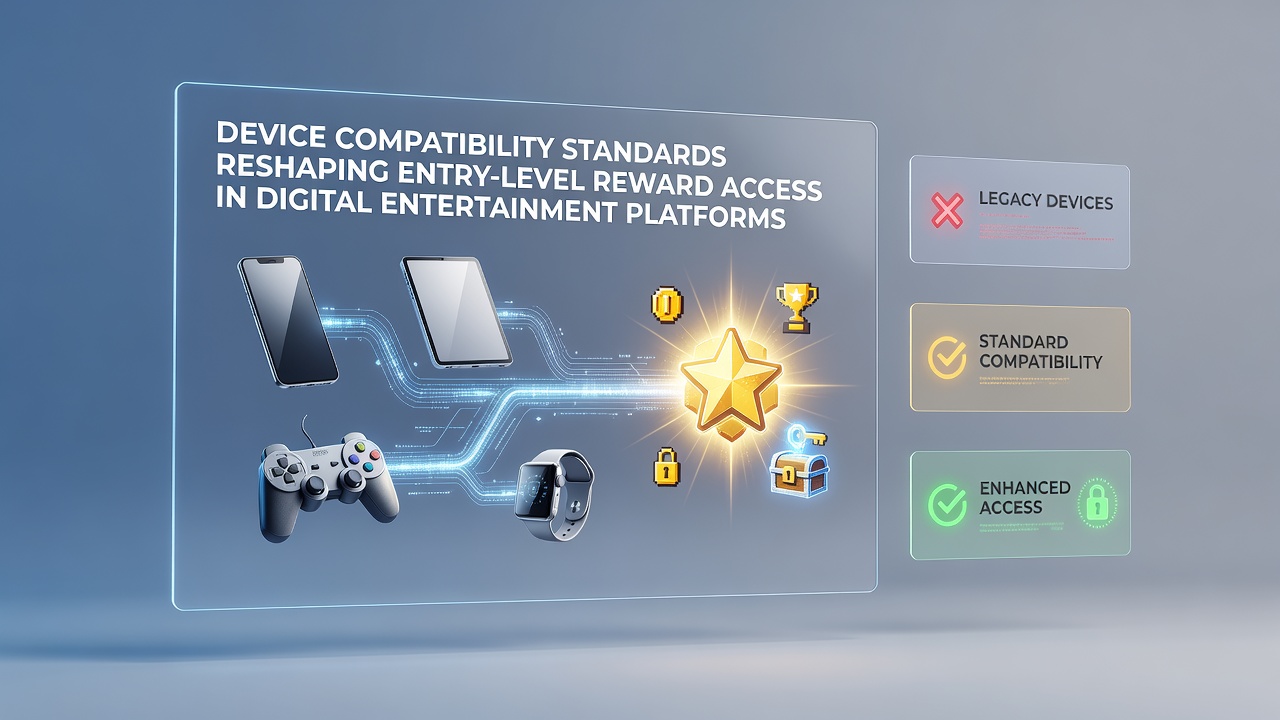
Compatibility Standards Driving Changes in Entry-Level Reward Access for Digital Entertainment Platforms
Device compatibility standards continue to influence how users gain access to entry-level rewards on digital entertainment platforms, particularly those offering interactive table games and live dealer sessions on mobile devices, and these shifts have accelerated as operators align systems with updated technical requirements throughout 2026. Research from industry reports shows that platforms must now verify device specifications before releasing promotional offers, which directly affects the distribution of no-deposit incentives and free spin packages in regions where mobile gaming volumes have grown steadily.
Technical Requirements and Platform Alignment
Standards developed by organizations such as the Gaming Laboratories International establish benchmarks for operating systems, screen resolutions, and processing capabilities that platforms must meet before granting reward access, and these protocols require developers to test applications across a range of hardware configurations to ensure consistent performance. Data indicates that platforms failing to meet these benchmarks encounter delays in reward activation, especially when users attempt entry from older device models or less common operating systems. Observers note that compatibility checks now occur at the point of reward claim rather than during initial registration, which streamlines onboarding while maintaining compliance with regional regulations.
Regional Regulatory Influences on Reward Structures
Regulatory bodies across North America and Europe have introduced guidelines that tie device verification to the release of entry-level incentives, and authorities in Canada through the Alcohol and Gaming Commission of Ontario have required platforms to document compatibility testing procedures as part of licensing renewals. Similar measures appear in Australian jurisdictions where state gaming commissions monitor how operators handle reward eligibility based on device data. These requirements emerged after multiple platform audits revealed discrepancies in reward delivery rates between high-end smartphones and mid-range tablets, prompting regulators to mandate standardized reporting on device performance metrics.
Platforms operating in multiple regions must navigate overlapping standards, which creates additional layers of verification for users seeking initial rewards without deposits, and experts have observed that this complexity often results in segmented reward pools where eligibility depends on both location and device certification status. Figures from recent compliance reports reveal that platforms adopting unified compatibility frameworks reduced reward claim failures by measurable percentages during the first half of 2026.
Mobile Ecosystem Adaptations and User Access Patterns
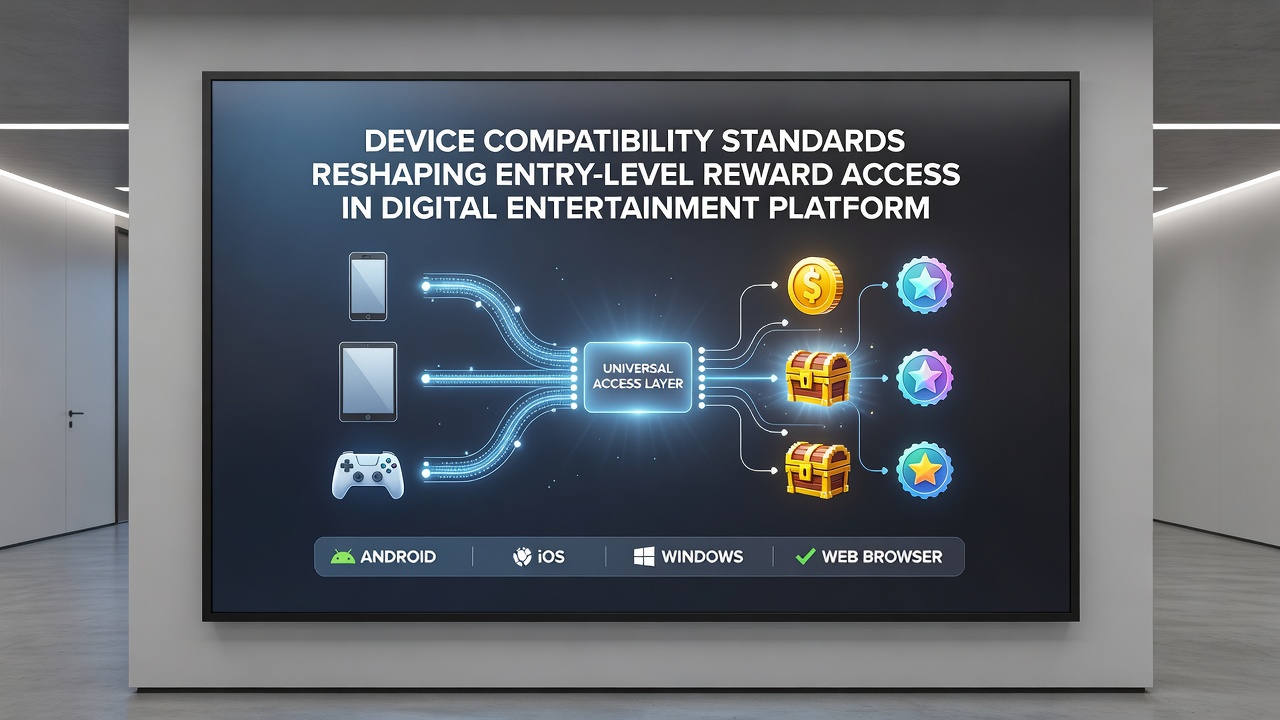
Entry-level reward systems now incorporate device fingerprinting technologies that assess hardware capabilities before distributing incentives, and this approach allows platforms to tailor offers according to whether a device meets minimum specifications for smooth live dealer streaming. Users on certified devices encounter fewer interruptions when claiming promotional credits, whereas those on unsupported models receive alternative reward formats or delayed access. Studies conducted by research institutions tracking mobile gaming trends have documented how these adjustments affect engagement rates across different device categories, with data showing higher completion rates for reward-related tasks on newer hardware.
Operators have responded by updating their backend systems to integrate compatibility databases that cross-reference device information against approved lists, and this integration occurs automatically during reward redemption attempts. The process connects directly to payment gateway protocols, ensuring that verified devices can proceed to live table environments without additional manual checks. Platforms that implemented these updates early in 2026 reported smoother reward distribution cycles compared to those still transitioning their verification layers.
October 2026 Developments and Industry Responses
By October 2026 several platforms completed major compatibility upgrades that aligned with new international testing standards, and these updates coincided with expanded reward offerings in jurisdictions that had recently authorized additional digital gaming activities. Industry associations documented how these changes reduced instances of reward ineligibility caused by device mismatches, particularly in markets where mobile participation rates exceeded desktop usage. The adjustments also influenced how operators structured loyalty pathways, linking initial reward access more closely to verified device performance rather than solely to account age or deposit history.
Conclusion
Device compatibility standards continue to reshape entry-level reward access across digital entertainment platforms through layered verification processes and regional regulatory alignment, and the ongoing evolution of these frameworks affects how users interact with promotional systems on mobile devices. Data from multiple sources shows consistent patterns of improved reward delivery efficiency where platforms maintain up-to-date compatibility protocols, while challenges persist in regions with fragmented device ecosystems. These developments reflect broader industry efforts to balance accessibility with technical reliability in an environment where mobile engagement dominates user activity.